June 12, 2026
Hiring a local fence contractor can be a highly rewarding process if you understand what to expect from start to finish. This guide aims to take you through the entire journey, ensuring you make informed decisions and achieve the best results for your property. Recognizing the details of choosing a provider, planning the layout, and managing the timeline is essential for success. By being prepared and knowledgeable, you can easily ensure a smooth and efficient project completion. Whether your goal is enhancing privacy, increasing security, or boosting curb appeal, hiring a local fence contractor will equip you with a durable solution that transforms your yard beautifully.
Understanding Your Project Requirements
The first step in planning is clearly identifying your fencing needs. Determine whether the primary purpose of the fence will be privacy, security, or aesthetic enhancement, as different goals require different materials and designs. Understanding your reasons will help you communicate effectively when you hire a local fence contractor to narrow down the best options. A comprehensive site assessment is also crucial in understanding the physical attributes of the area where the fence will be installed. Consider the topography, soil conditions, and any existing landscapes or structures that may affect the installation. Engaging a local fence contractor who performs a detailed site assessment ensures the project runs smoothly and efficiently from the very first day on the job.
Navigating Legal and Design Decisions
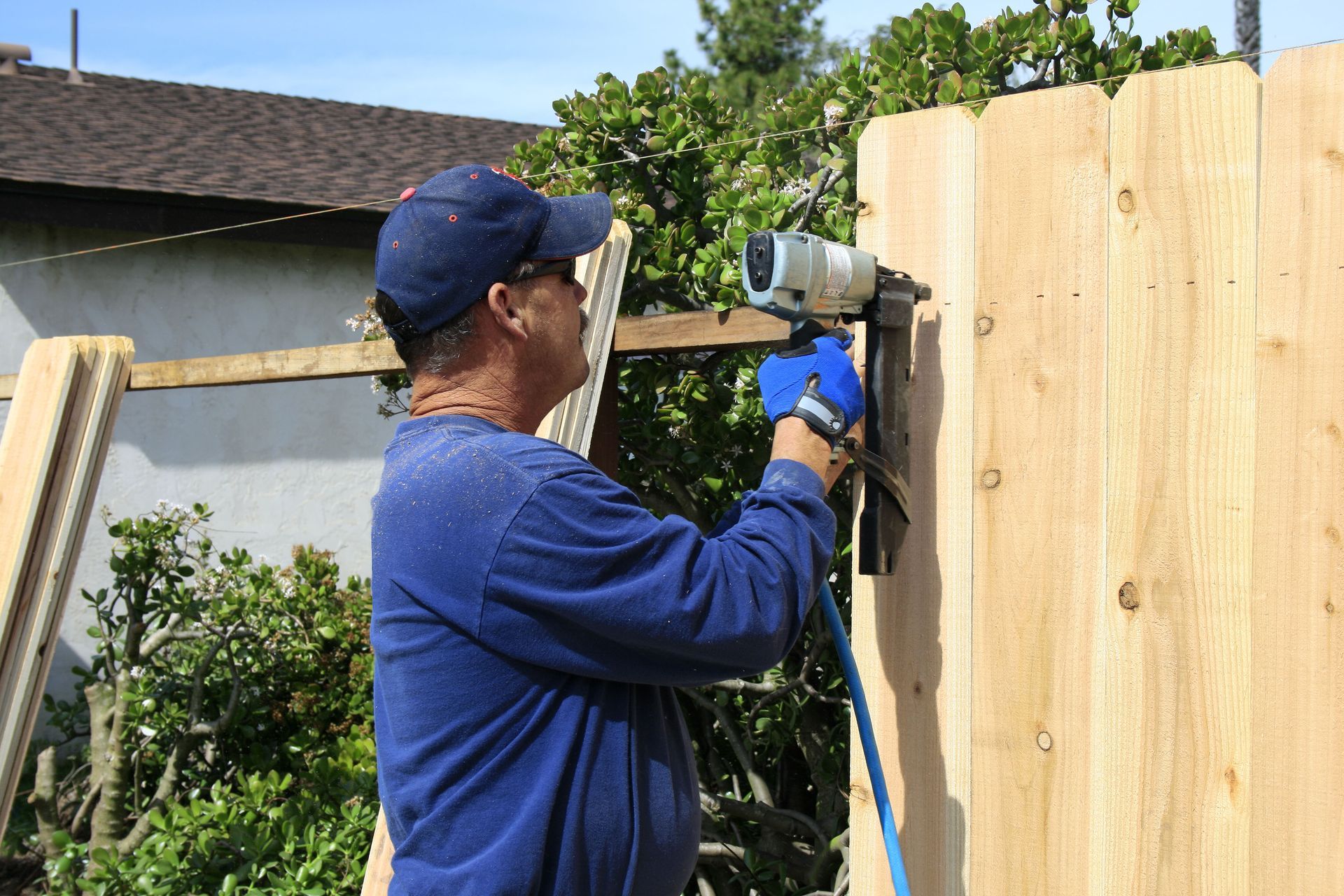
Legal considerations are a vital aspect of any fencing project to ensure compliance with local regulations. It is essential to research local zoning laws, obtain necessary permits, and consider HOA regulations before digging begins. A professional local fence contractor will be knowledgeable about these legalities and help ensure all regulatory requirements are met perfectly. Once legal obligations are clear, focus on the design preferences that complement your home's architecture. Options range from classic wooden fences to modern metal designs, each offering distinct advantages. According to Bob Vila, on average it will take up to 35 hours to install a fence that is up to 200 feet long. This timeline is normal for professionals who prioritize sturdy craftsmanship and careful placement.
Finding and Selecting a Provider
Research and recommendations play a pivotal role in finding a reliable professional for the job. Start by seeking referrals from neighbors, friends, or family who have had similar positive experiences in your neighborhood. Personal recommendations give wonderful insight into reliability, work quality, and accommodating customer service. Before making your final selection, verify the credentials of potential providers to ensure they are qualified and legitimate. Ensuring the team holds the necessary licenses and insurance demonstrates a high level of accountability. Reviewing past projects is a great way to gauge their style, quality, and attention to detail, enabling you to make a well-informed selection.
Evaluating Contracts and Agreements
Before commencing the project, a clear understanding of the scope of work defined in the contract is essential. The contract should detail the tasks, high-quality materials, and timelines, ensuring both parties have a mutual understanding. A well-documented scope prevents misunderstandings, providing an excellent reference point for how the build will progress. Agreeing on payment terms is also crucial to managing financial expectations and cash flow throughout the project. Clarify payment schedules, including deposits and progress payments, to keep everything transparent. The warranty provisions in the contract offer wonderful protection and show that the local fence contractor stands behind their work with complete pride.
Preparing Your Yard for Installation
Proper site preparation is crucial to ensuring a smooth installation process and mitigating potential obstacles. Begin by clearing the work area of any obstructions, such as debris, overgrown plants, or old structures that may impede progress. Identify and mark utility lines to prevent damage during construction, communicating utility layouts with your team. Proactive coordination facilitates a great project flow, maintaining momentum and adherence to established timelines. Establishing a realistic timeline is necessary for tracking progress and forecasting a successful project completion. Collaborating with your local fence contractor to create a timeline accommodates both parties' availability and sets a great pace for the build.
Overseeing the Construction Process
Maintaining regular communication throughout the installation process is essential for ensuring alignment and addressing emerging questions. Establish consistent communication channels with your team, scheduling regular check-ins for progress updates. Open communication ensures total transparency, sustaining a positive working relationship from start to finish. Quality control checks are integral to sustaining high standards and ensuring the installation meets your exact specifications. Conduct regular site visits to witness the beautiful transformation and see how the materials are securely placed. Proactivity in quality checks prevents long-term issues, augmenting satisfaction and the overall success of your property upgrade.
Completing Inspections and Final Steps
Inspections and compliance checks safeguard adherence to building codes and ensure successful project execution. Collaboration with relevant authorities to confirm code compliance throughout the installation process prevents any future hindrances. Achieving compliance certifies the legitimacy of your fence, fostering great confidence in the work's durability and stability. The final walkthrough signifies the culmination of the installation, affirming satisfaction with the completed work. Perform a comprehensive inspection with your local fence contractor to review craftsmanship, functionality, and aesthetic alignment. This crucial step concludes efforts positively, marking the successful realization of your project through collaborative achievement.
Project Wrap Up and Future Maintenance
Before releasing the final payment, ensure every aspect of the project is completed to satisfaction as stipulated in the contract. Confirming the completion of all contractual obligations signals the formal conclusion of a job well done. Securing all necessary documentation, including copies of permits, inspection clearances, and warranties, instills total confidence. Discussing long-term maintenance practices with your team prolongs your fence's lifespan and keeps it looking new. Implementing well-advised maintenance practices extends the property's value and enjoyment for years to come. Providing feedback based on your positive experience also guides future clients and supports the local fence contractor in growing their business.
Budgeting and Cost Factors
A well-planned budget is a fundamental component of a successful fencing project, helping you manage expectations and prevent unexpected financial strains. The overall cost is typically influenced by the choice of materials, the total linear footage, and the complexity of your property's terrain. When you hire a local fence contractor, request a detailed breakdown of labor expenses, material costs, and potential add-ons like gates or decorative post caps. It is also wise to set aside a small contingency fund for unforeseen site conditions, such as hidden rock formations or tree roots that require extra labor to clear. Proactive financial planning ensures transparency and allows you to prioritize features that offer the best return on investment for your property.
Selecting the Right Fencing Materials
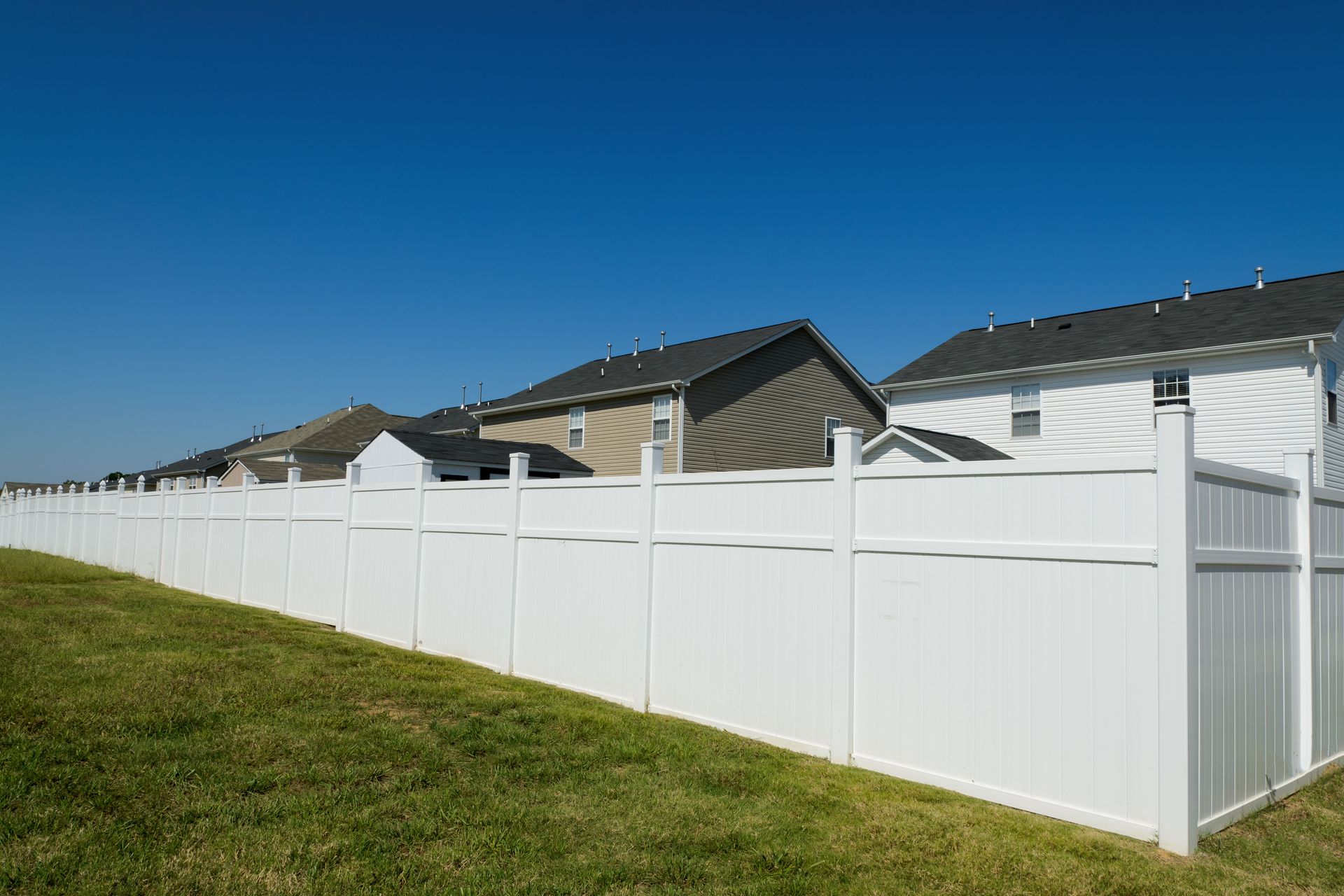
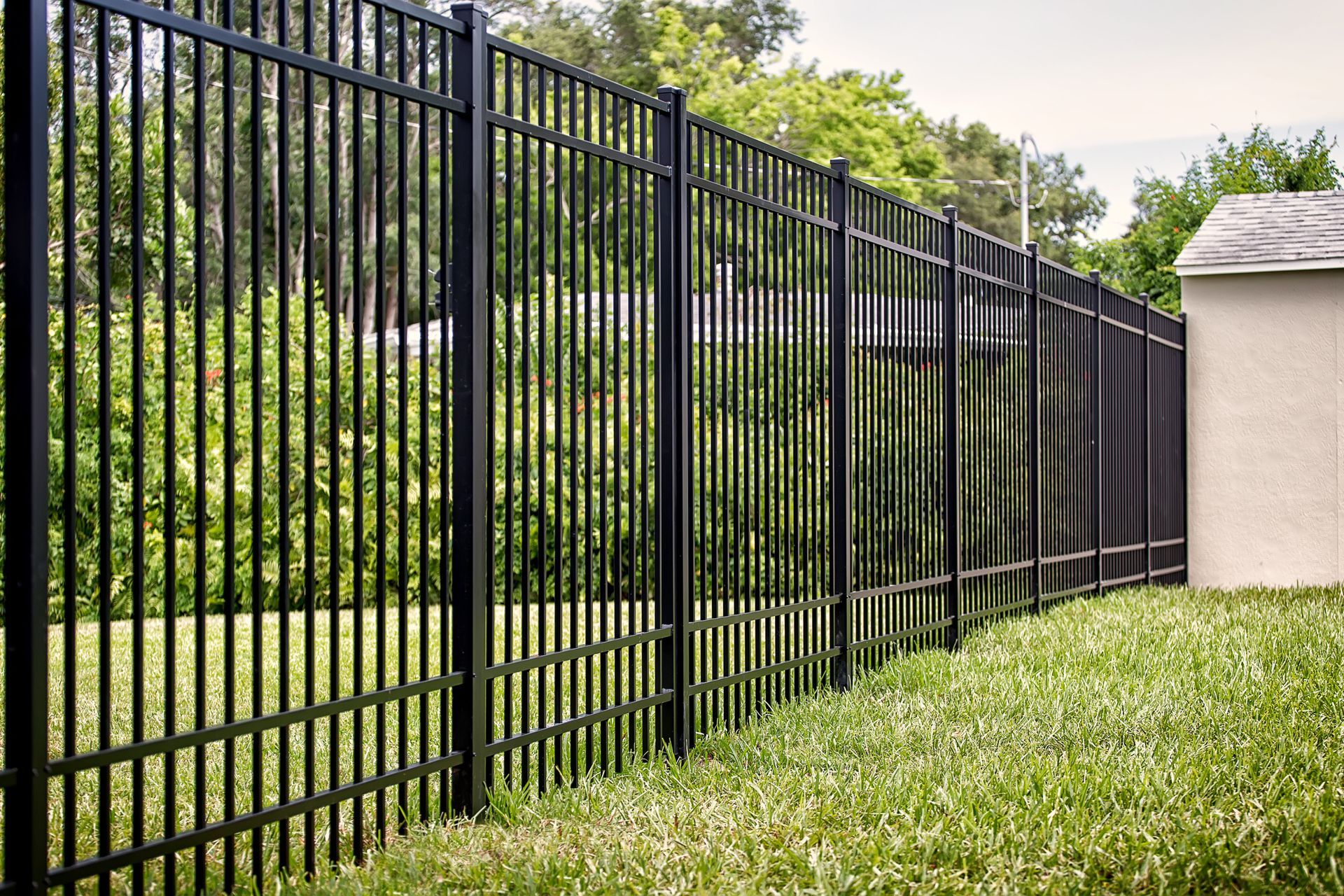
Choosing the ideal material is a critical decision that impacts your fence's longevity, aesthetic appeal, and maintenance requirements. Classic wood fencing offers a timeless, natural look that blends beautifully with residential landscapes, though it requires periodic sealing or staining. For homeowners seeking maximum durability with minimal upkeep, vinyl and composite materials are excellent alternatives that resist rot, insects, and weather damage. Metal options, such as ornamental aluminum or wrought iron, provide exceptional security and elegance without obstructing your view. Discussing these variations with a knowledgeable local fence contractor will help you weigh the upfront costs against long-term durability, ensuring you choose a material perfectly tailored to your climate and lifestyle.
Finding and hiring the right team involves several key steps, each demanding careful consideration and proactive management. This guide simplifies the process by breaking it down into comprehensible stages, fostering smart choices for your home. By following the outlined process, you can expect a smooth collaboration and a rewarding outcome that enhances your property's value and curb appeal. Emphasizing preparation, communication, and adaptability during the build empowers seamless project management. Your diligence and proactive approach will result in a gorgeous fencing solution encompassing aesthetics, functionality, and longevity with Pristine Fence LLC, so contact us today.